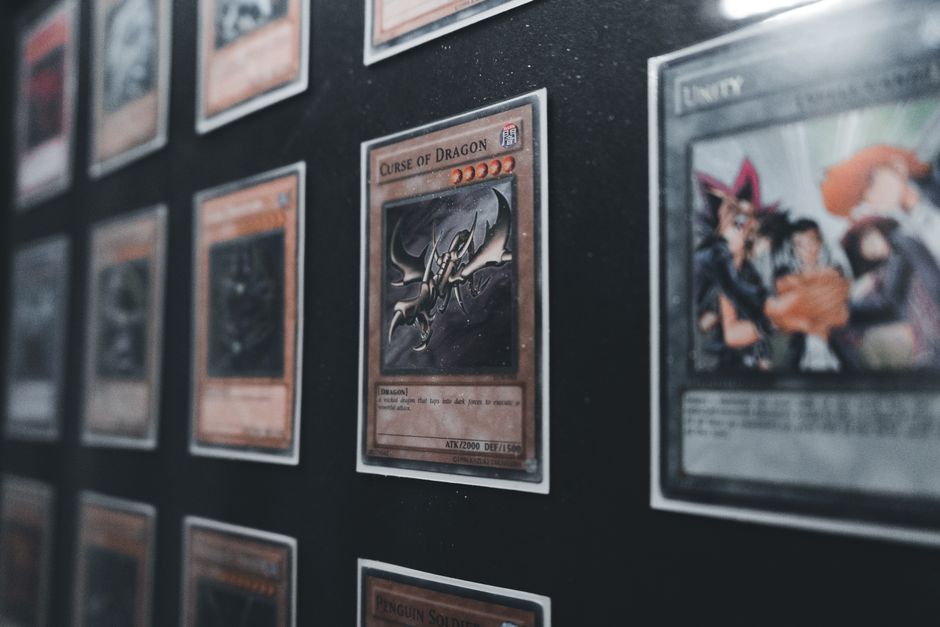
For serious collectors in Melbourne, the conversation around protecting trading game cards has evolved from “what sleeve is best?” to “where is the safest place to store them?” Sleeves, toploaders, and binders are essential tools for everyday use, but they offer little defence against the threats that can wipe out a collection worth thousands of dollars overnight. When your binder holds a first-edition Charizard or a sealed booster box from a long-retired set, the stakes are far too high to rely on a bedroom cupboard. This article explains why a safety deposit box facility represents the ultimate layer of protection for your most valuable trading cards, and how it fits into a complete preservation strategy for Australian collectors.
Table of Contents
- The Real Value of Your Collection: Why Home Storage Isn’t Enough
- What Is a Safety Deposit Box Facility?
- Why Safety Deposit Boxes Are Superior for Protecting Trading Game Cards
- How to Prepare Your Cards for the Safety Deposit Box
- Safety Deposit Boxes vs. Other Storage Methods: A Quick Comparison
- Is a Safety Deposit Box Right for Your Collection?
- Final Checklist for Protecting Trading Game Cards in 2026
The Real Value of Your Collection: Why Home Storage Isn’t Enough
Trading card games such as Pokémon, Yu-Gi-Oh!, and Magic: The Gathering have matured into serious alternative assets. A single card in mint condition can command hundreds, thousands, or even tens of thousands of dollars. The cost of one mishandled card can quickly add up to several hundred dollars in a matter of seconds, and a rare card in poor condition can lose most of its value entirely. When you multiply that by a binder full of chase cards or a complete set, the financial exposure becomes significant.
Home storage is vulnerable to three major threats that collectors often underestimate. The first is theft. A residential property is a soft target compared to a commercial vault, and a visible collection of trading cards is easily pocketed. The second is environmental damage. Melbourne’s climate swings from humid summer days to dry winter cold snaps, and neither extreme is kind to cardboard. Humidity causes warping and encourages silverfish, while UV light from windows fades artwork and degrades card stock. Temperature fluctuations inside a typical home can easily push cards out of their ideal range, accelerating deterioration. The third threat is accidental damage: a spilled drink, an inquisitive pet, or a child who does not understand the value of what they are holding.
Many collectors consider a home safe the logical upgrade, but standard residential safes are rarely fire-rated for more than thirty minutes, and few are waterproof. They are also heavy, expensive to install properly, and a known target for burglars who will simply demand the combination or take the entire unit. Insurance policies add another layer of concern: many home contents policies impose strict limits on collectables, and some require specific security measures that a bedroom cupboard or a basic safe cannot satisfy.
What Is a Safety Deposit Box Facility?
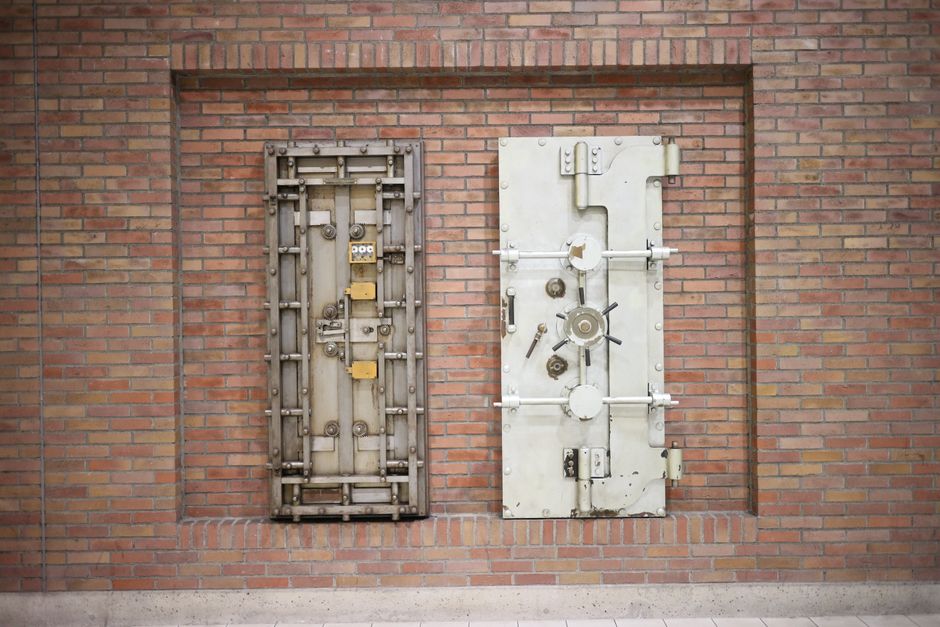
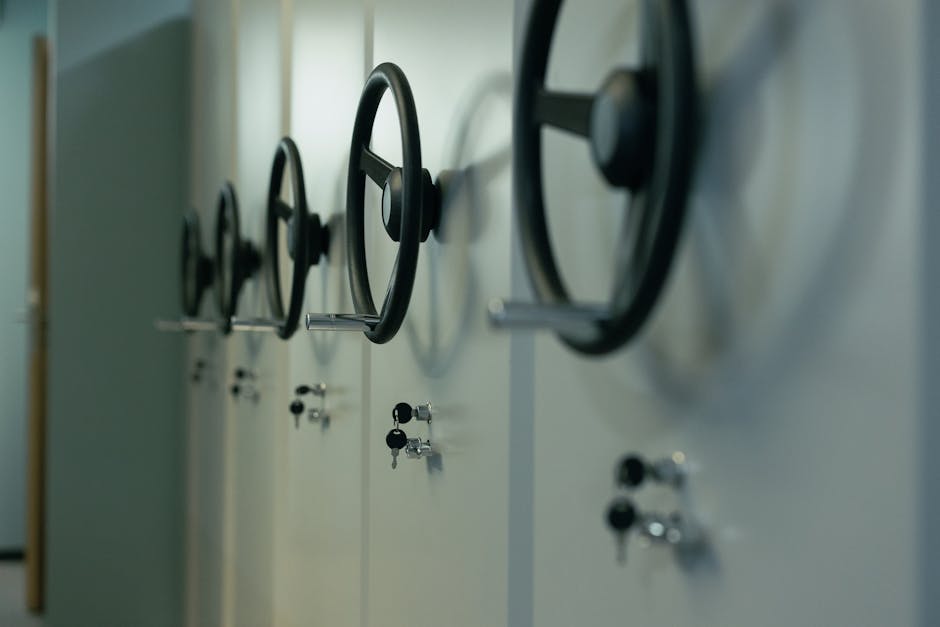
A safety deposit box is a private, lockable container housed within a high-security vault at a dedicated storage facility. Unlike a bank safe deposit box, which may have limited access hours and bureaucratic hurdles, a private facility in Melbourne offers flexible access combined with institutional-grade protection.

These facilities are built around reinforced concrete vaults with 24/7 monitored security, biometric access controls, and multiple layers of authentication before anyone reaches the storage area. Access is recorded and audited, creating a clear chain of custody for your collection. The vault itself is engineered to withstand fire, flood, and forced entry, representing a fundamentally different category of protection than anything available in a residential setting.
Why Safety Deposit Boxes Are Superior for Protecting Trading Game Cards
Environmental Mastery: Temperature and Humidity
Trading cards are made of paper and ink, materials that expand, contract, and degrade when exposed to unstable conditions. The ideal storage environment sits between 18 and 22 degrees Celsius, with relative humidity below 50 percent. Most Melbourne homes cannot maintain this consistently without dedicated climate control running year-round.
Safety deposit vaults are climate-controlled to protect a wide range of valuables, including documents, jewellery, and fine art. This creates a stable microclimate that eliminates the warping, curling, and foxing that plague home-stored collections during an Australian summer. For cardboard assets that can lose ninety percent of their value from condition issues alone, this environmental consistency is not a luxury; it is a necessity.
Absolute Security Against Theft
A dedicated safety deposit facility is a hardened target in a way that no residential home can match. Vaults are constructed with reinforced steel, often featuring time-lock doors and multiple access barriers. Your collection is not visible to visitors, tradespeople, or house guests, removing the risk of opportunistic theft entirely.
The security model also addresses a vulnerability that home safes cannot solve: coercion. If a burglar knows you have a safe at home, they may threaten you to open it. With a safety deposit box, the collection is off-site and inaccessible outside of the facility’s operating hours and protocols. Most facilities also offer individual compartment insurance, providing peace of mind that a standard home contents policy cannot match for high-value collectables.
Fire and Flood Protection
A typical home safe offers thirty minutes of fire resistance at best, and many are not waterproof at all. A professional vault is rated for significantly longer fire exposure and is sealed against water ingress. Vaults are typically located above flood-prone levels, protecting your collection from burst pipes, storm damage, or the kind of flash flooding that parts of Melbourne have experienced in recent years. When a single graded card can be worth more than the safe that holds it, the disparity in protection levels becomes impossible to ignore.
How to Prepare Your Cards for the Safety Deposit Box
Even inside a climate-controlled vault, proper preparation ensures your cards remain in pristine condition. Use the layering method that serious collectors swear by: start with a perfect-fit inner sleeve, add a standard outer sleeve, and then place the card in a toploader or semi-rigid holder. This combination guards against scratches, dust, and minor pressure.
For graded cards in PSA or Beckett slabs, keep them in their original cases and consider a protective acrylic sleeve that fits over the slab to prevent scratches on the case itself. Avoid storing cards in D-ring or O-ring binders inside the box, as these can cause cards to bend over time as pressure increases. Flat, archival-quality storage boxes designed for trading cards are the safer choice.
Create a digital inventory with photographs and estimated values before sealing the box. Store a copy of this inventory in cloud storage so it remains accessible even if the physical records are unavailable. This documentation is essential for insurance purposes and for tracking your collection over time. Adding a few silica gel packets inside the box provides an extra layer of moisture control, even though the vault environment is already regulated.
Safety Deposit Boxes vs. Other Storage Methods: A Quick Comparison
A home binder is excellent for display and quick access but offers no security against theft and minimal protection from UV light or humidity. A home safe improves security moderately but typically falls short on fire and water resistance, and it remains a known target on the premises. A safety deposit box delivers excellent security, environmental control, and fire and flood protection in a single solution. The trade-off is that you need to travel to the facility to access your collection, and there is an ongoing rental fee. For cards you play with weekly, a deck box and binder remain the practical choice. For everything else, the vault is the answer.
Is a Safety Deposit Box Right for Your Collection?
A safety deposit box makes the most sense for collectors holding high-value singles worth two hundred dollars or more each, or entire collections valued above five thousand dollars. It is the ideal home for “grail” cards you never intend to play with: a first-edition Charizard, a Black Lotus, or a sealed Wizards of the Coast booster box. Think of it as cold storage for your collection, a vault that sits apart from the cards you shuffle and trade at your local game store.
For the average Australian collector, the cost of a small box runs approximately ten to thirty dollars per month. That is a fraction of the value of the cards it protects, and a small price for the certainty that your collection will survive whatever happens at home. Before committing, review your home insurance policy for collectable limits and confirm that your chosen facility offers appropriate insurance coverage for the declared value of your items.
Final Checklist for Protecting Trading Game Cards in 2026
Sleeve all valuable cards with an inner and outer sleeve. Store them in toploaders or semi-rigid holders. Create a digital photo inventory with current market values. Check your home insurance policy for collectable limits and exclusions. Rent a safety deposit box at a reputable Melbourne facility. Store your grail cards, sealed product, and complete sets in the box. Review and update your inventory quarterly to reflect changes in collection value and market conditions.